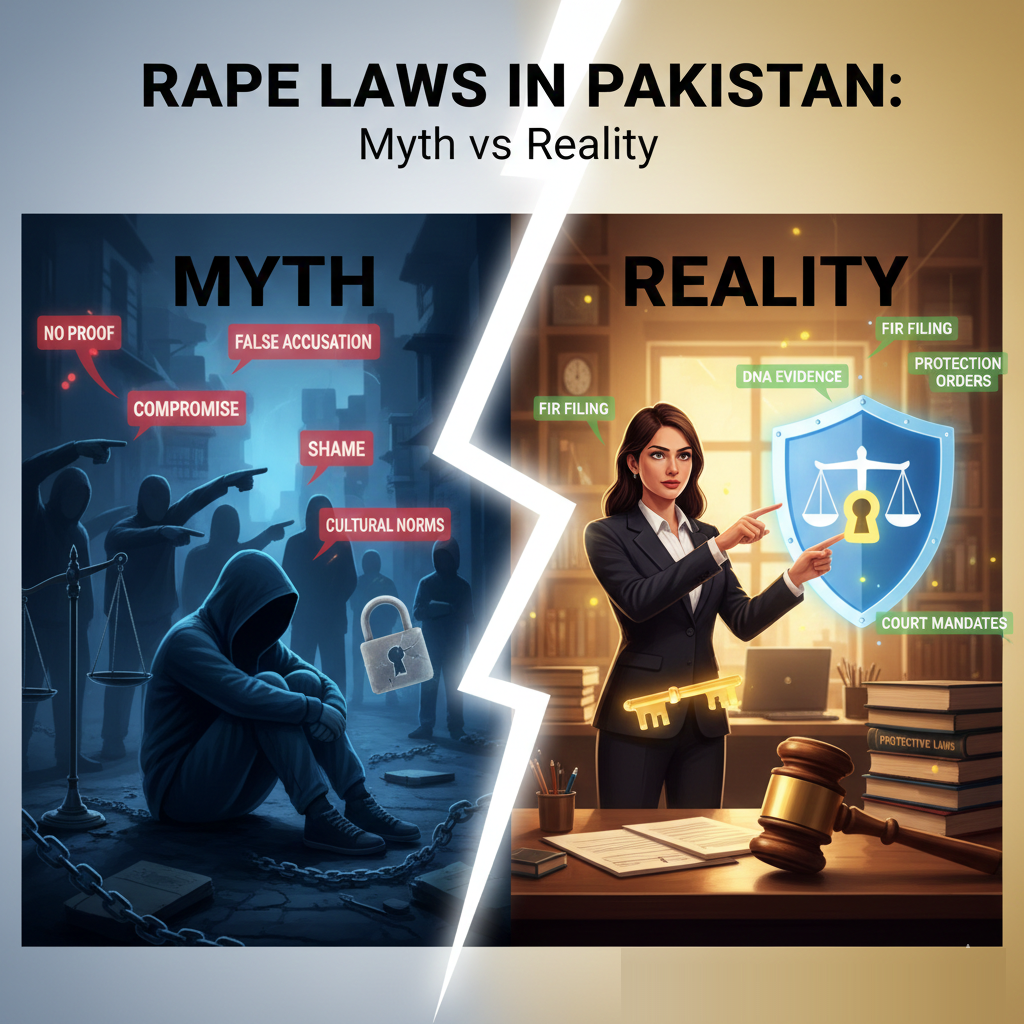
Rape Laws in Pakistan: Myth vs Reality
Rape is one of the most heinous crimes in society, striking at the very core of human dignity. Under the Pakistan Penal Code (PPC), rape is treated as an offense against the state and society, carrying severe punishments. However, proving such offenses in court has historically been challenging due to rigid evidentiary requirements and societal misconceptions.
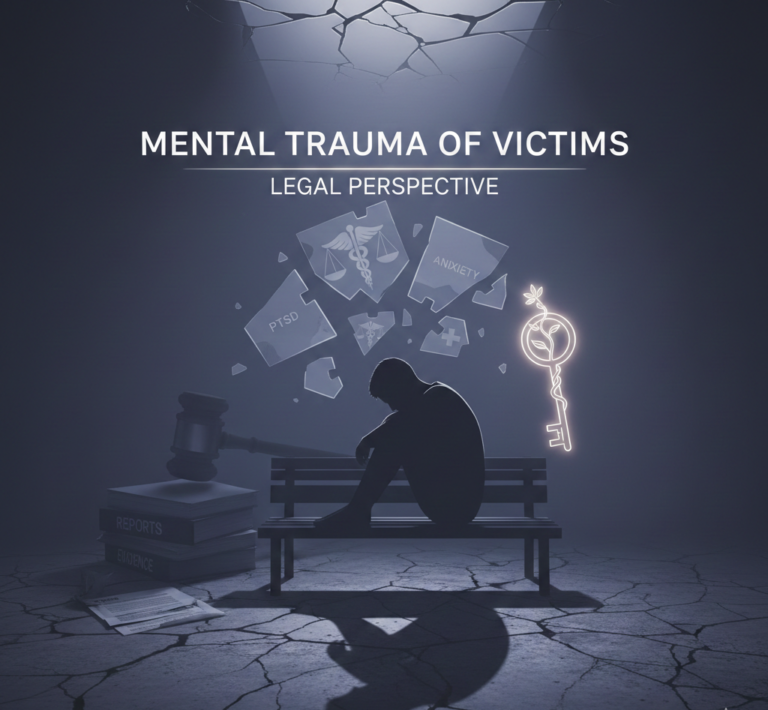
One prevalent myth is that a victim must physically resist to prove the crime. In the landmark judgment by Justice Ayesha Malik, it was established that the human response to extreme fear may include “freezing,” and lack of resistance cannot be taken as consent. This judgment also declared the invasive “two-finger test” unconstitutional and illegal.
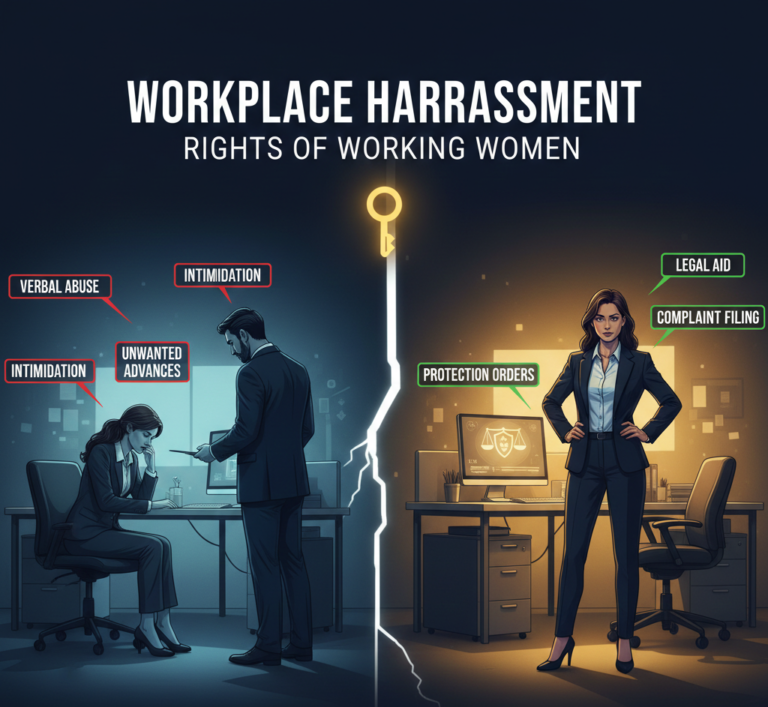
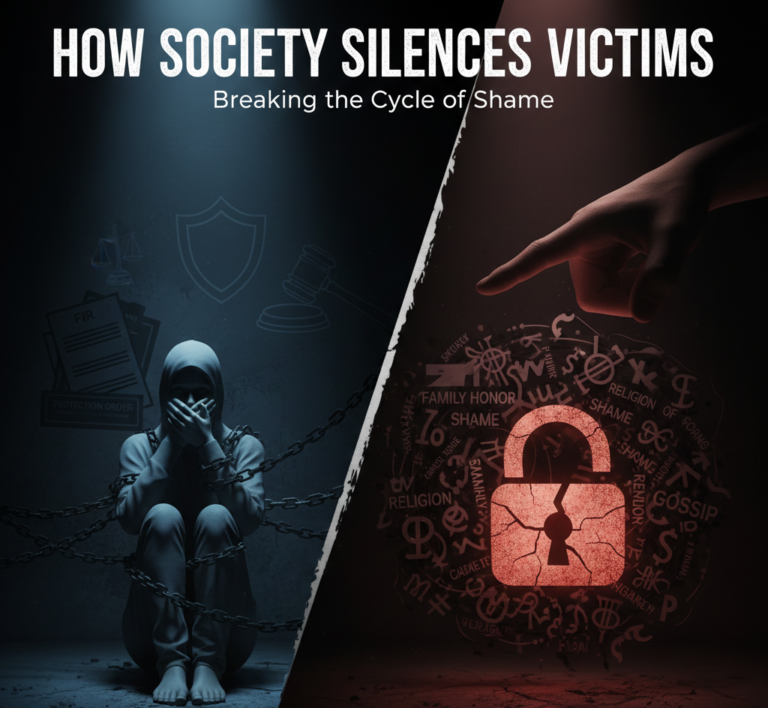
The Supreme Court has emphasized the critical role of NGOs in assisting victims, as they provide legal guidance, emotional support, and help survivors pursue justice effectively. Despite these legal frameworks, societal pressures, corruption, and influence of powerful individuals often hinder victims from seeking justice.
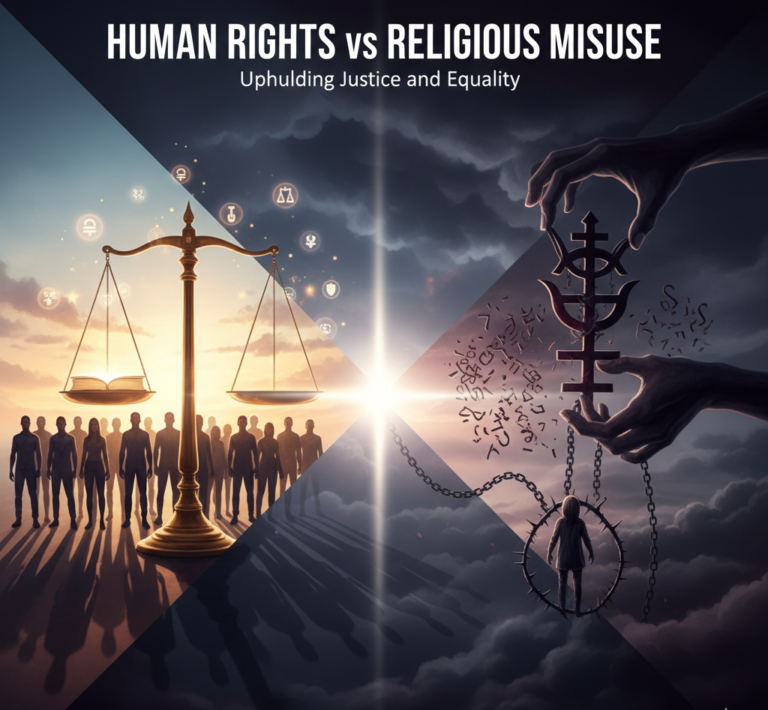
The law prescribes severe penalties, including life imprisonment, but experts argue that legal reform, societal awareness, and stringent enforcement are necessary to deter this offense effectively. Every survivor who steps forward must be supported, and justice must be upheld without compromise.